| Measure | Value and condition | Planning use |
|---|---|---|
| Children aged 5-14 enrolled in school | About 47 per cent in 1950; today 90 per cent of primary school-age and 86 per cent of lower secondary-age children | Shows how far access has grown, so remaining gaps are best read as gaps for specific groups. |
| Extreme poverty | Reduced by 40 per cent since 1980 through improved access to education | Treat as a population-level result, not a promise for one learner. |
| Children with disabilities | 2.5 times more likely to have never attended school | Marks where access work matters most. |
| Median wage, 2012 | College graduates earned more than twice the median wage of high school dropouts and over 1.5 times that of high school graduates | Compare the steps between attainment levels when weighing further study. |
| Adults unable to see a doctor because of cost, 2010 | 27% without a high school education, 18% with high school, 8% college graduates | Shows that schooling is linked to health access, not only to income. |
These figures come from UNESCO’s overview of why education matters and VCU’s research summary on education and health.
How does education affect society? It builds literacy and skills, and it is linked to higher earnings, better health access and stronger democratic life, but those benefits depend on who can reach school and stay in it.
Education works at several levels at once: individual skills, household income, community health and public institutions. The sections below follow that order, and the guide on how does literacy affect society goes deeper on reading and writing in community and civic life.
Scale: enrolment, poverty and economic return
Education has changed society first by reaching far more children than it once did. The biggest social effects show up when access, not only individual achievement, is counted.
How enrolment has grown
UNESCO reports that in 1950 only around 47 per cent of the world’s children aged 5-14 were enrolled in school. Today that figure has nearly doubled, with 90 per cent of primary school-age children and 86 per cent of lower secondary-age children enrolled. That change matters for readers because the question has shifted. It is no longer mainly whether a typical child can start school, but which children are still outside the system and why.
Poverty, growth and health
UNESCO also states that since 1980 improvements in access to education have reduced extreme poverty by 40 per cent. In developing countries, it says, every US$1 invested in education generates US$10-US$15 in economic growth. On health, UNESCO describes girls’ education as life-saving, reducing maternal and infant mortality and the risk of child marriage.
These are large claims, so read them with the right scale in mind. They describe whole populations and investment programmes. They do not mean that every extra year of study produces the same return for every person. Use them to understand why governments and communities treat schooling as shared infrastructure. For a personal decision about study, the more specific attainment comparisons later in this guide are a better guide.
Literacy, skills and democratic life
Literacy is the foundation that the other social benefits rest on. Without it, later steps such as training, formal work and informed participation are harder to reach.
Why literacy is important
UNESCO says education builds foundational literacy and numeracy and strengthens social and emotional skills. VCU’s research summary makes a related point from the health side: education matters because it builds knowledge and develops literacy, thinking and problem-solving skills. In other words, a diploma is a marker, and the skills behind it are what carry over into work, health decisions and everyday dealings with institutions.
That explains why literacy is a sensible first priority for families and school systems. Higher wages and better health access, covered in the next section, are best read as outcomes that depend on these skills being in place.
Literacy and civic participation
The link between schooling and public life is argued most directly by educators. In a University of Maryland education piece, faculty describe education as the bedrock of democracy. That is a statement of expert opinion rather than a measurement, and it fits a simple chain of reasoning: people who can read, weigh claims and solve problems are better placed to take part in civic life. Readers who want to examine that chain can follow the importance of civic education and see how schools prepare people for public decisions.
Earnings, health and social connection
The most detailed numbers on what schooling does for individuals come from research that compares groups by how much school they completed. The comparisons below describe averages and gaps between groups, not guaranteed outcomes.
Graduation rates and income
VCU notes that education research has focused on the number of years of school students complete. This is why graduation rates and attainment thresholds, such as finishing high school or college, show up so often in the data. In 2012, the median wage for college graduates was more than twice that of high school dropouts and over 1.5 times that of high school graduates. Lifetime figures show a wider spread. For a non-Hispanic white male in 2006-2008, lifetime earnings were $1,056,523 for those with less than a 9th grade education and $3,403,123 for those with a doctoral degree.
A secondary estimate from a higher-education provider points the same way, saying a person with a bachelor’s degree will make $765,000 more in their lifetime than someone with no degree. Use that as a rough illustration, because it comes from a provider with an interest in enrolment. The VCU comparisons are the better anchor for specific planning, and each states its group and year.
The practical reading is that the largest wage steps sit at the completion points: finishing school and finishing a degree. If you are deciding whether to complete a stage you have already started, these figures support finishing it. If you are choosing between routes, they cannot say which route suits you. For a wider look at whether schooling moves families up the income ladder across generations, see education and social mobility.
Health gradients
VCU reports that among non-Hispanic whites aged 40-64, the gap between two schooling groups grew from 23 percentage points to 36 percentage points between 1972 and 2004. Access and prevention data show the same direction of difference.
| Education level | Unable to see a doctor because of cost (2010) | Up to date on colorectal cancer screening (2010, ages 50-75) |
|---|---|---|
| Lacked a high school education (some high school for screening) | 27% | About 49% |
| High school graduates | 18% | 59% |
| College graduates | 8% | 72% |
Both columns are reported in VCU’s summary of why education matters to health.
Each step up in schooling goes with better access and more prevention. The pattern is steady rather than a single cliff. That is useful for communities designing outreach, since people who left school early appear to need the most help getting care and screening. It is also a reason to be careful about causation. The table shows differences between groups, and VCU’s page frames the underlying causes as something still being explored.
Social networks and support
VCU adds that educated adults tend to have larger social networks, and that low social support is associated with higher death rates and poor mental health. This is one route by which schooling may touch wellbeing beyond money. For a learner, it is an argument for choosing study that puts you among other people, such as classes, study groups or community courses, rather than treating learning only as private effort.
Education inequality and access gaps
Education inequality has several causes that reinforce one another: exclusion of particular groups, shortfalls in public funding, shortages of teachers and costs that fall unevenly. The evidence available points to each of these.
Disability and exclusion
UNESCO reports that children with disabilities are 2.5 times more likely to have never attended school. That is a gap in who gets through the door at all, so it cannot be fixed by improving results for those already enrolled. Inclusion needs to be designed into schools from the start, which is the subject of what is inclusive education, covering rights, practice and community effects.
Funding and teacher supply
UNESCO notes that only four in 10 countries meet the 4 per cent of GDP benchmark for education spending. It also estimates that 44 million additional teachers need to be recruited by 2030, which would mean a global investment of $120 billion per year to cover their salaries. The 4 per cent figure is a benchmark for spending, not a measure of quality, and the teacher estimate is a global total that will fall unevenly across countries.
For a reader, the useful lesson is where inequality comes from. A school system with too few teachers cannot offer the same attention to every child, and the children most likely to be affected are those already facing barriers. Technology adds another layer. Access to devices and connections shapes who can use online learning, a theme developed in the guide to the digital divide in education.
Costs that follow people after school
Inequality continues after school ends. The health data above show adults with less schooling facing cost barriers to care and lower screening rates. This means unequal access in childhood can become unequal access to services in adulthood, which is why education gaps are discussed as a social issue rather than only an educational one.
School systems and what they can change
School systems are the combination of funding, staffing, rules and local practice that turn access into learning. The evidence in this guide suggests several levers: how many qualified teachers are in classrooms, how early learning begins, and how well institutions learn from their own history.
Teachers
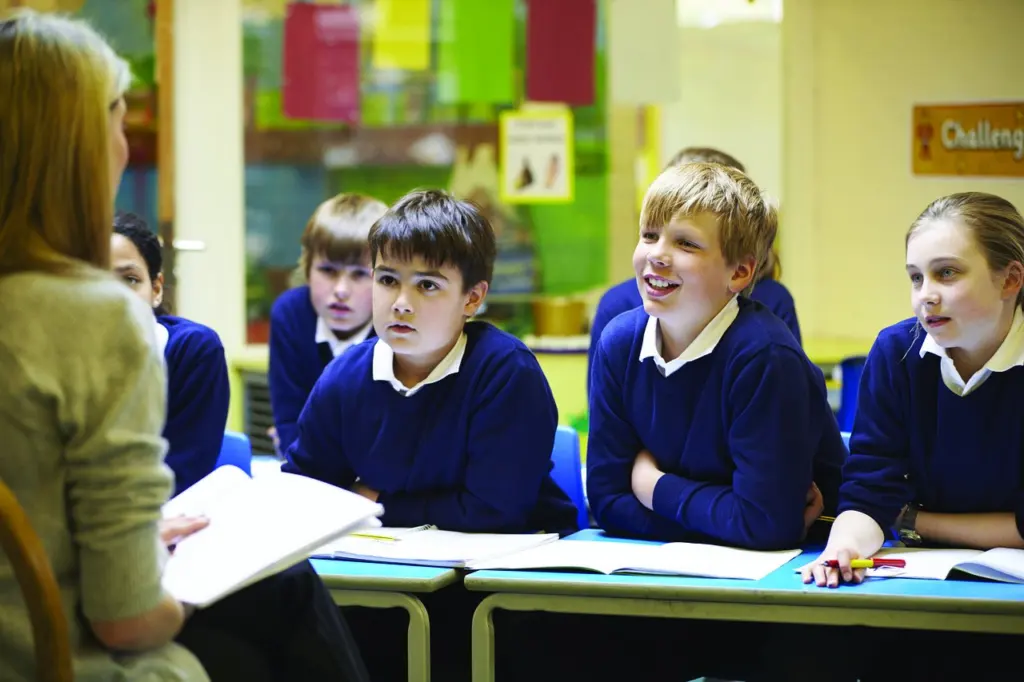
The UNESCO estimate of 44 million additional teachers shows that staffing is a central constraint on whether school systems can deliver. Teachers do more than deliver lessons. They are the people through whom a community’s expectations for children are met every day, which is why the role of teachers in society deserves its own examination. If you are weighing where to volunteer or advocate, teacher recruitment and support is one of the most concrete targets the data identify.
Early years and the long view
Starting earlier is one way systems try to reduce gaps before they widen. The case for investing in the youngest learners is laid out in the guide to the benefits of early childhood education, which looks at community outcomes over time. It suits parents choosing childcare and readers following local budget debates alike.
Learning from history
Current systems carry the marks of earlier decisions about who was educated, where and on what terms. Readers in the United States who want that background can turn to the history of public education in the us. Historical context helps explain why gaps persist even where enrolment looks high.
Lifelong learning
Learning does not end at graduation. UNESCO describes education as a lifelong process that equips learners with knowledge, skills and values, and that framing changes how you can use everything above.
If schooling’s benefits come partly from literacy, problem-solving and social connection, adults can keep building those after leaving school. The social network findings suggest that learning with others carries an extra benefit, because larger networks are a feature of more educated adults and low social support is associated with worse outcomes. That makes group formats a sensible default for adult learners who have a choice.
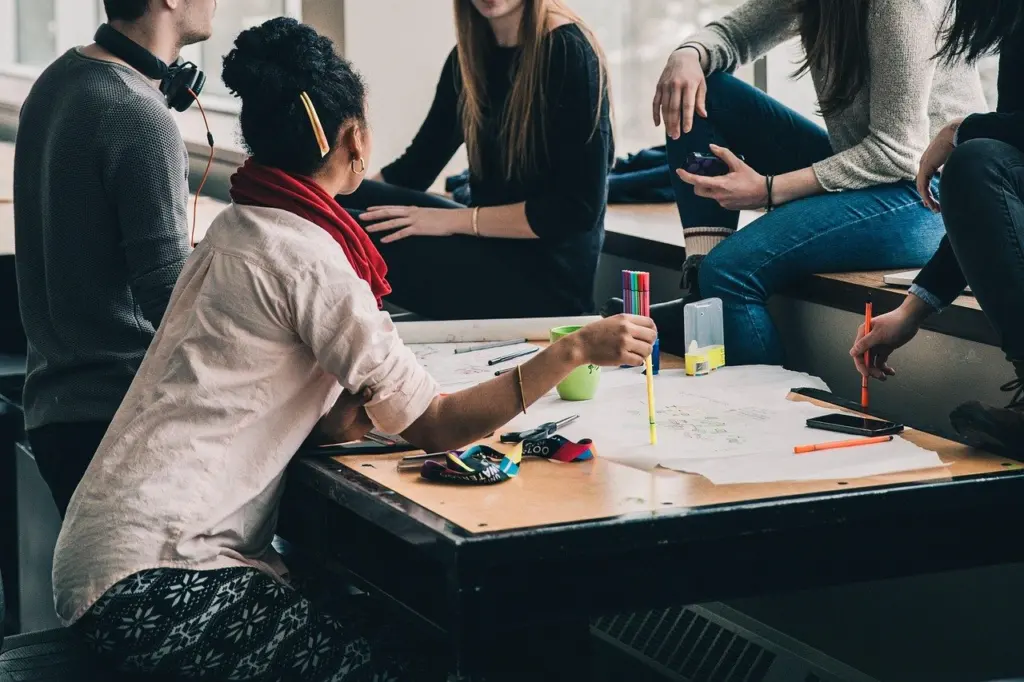
Community settings are a natural place to do this. Volunteering often involves teaching or mentoring others, and the guide to 22 Community Service Examples To Start Today (2026 Guide) – Peopleil lists ways to start. Learning by serving a community is a different route from coursework, and it can sit alongside it.
Culture, norms and generations
Societies pass on habits, values and traditions through families, communities and schools, so education cannot be separated from culture. The related guides below explore that wider setting.
- Everyday rules. Social Norms In Action: 12 Everyday Examples That Reveal Why We Follow The Rules – Peopleil shows how unwritten expectations are learned and followed, which is part of what people take from any education.
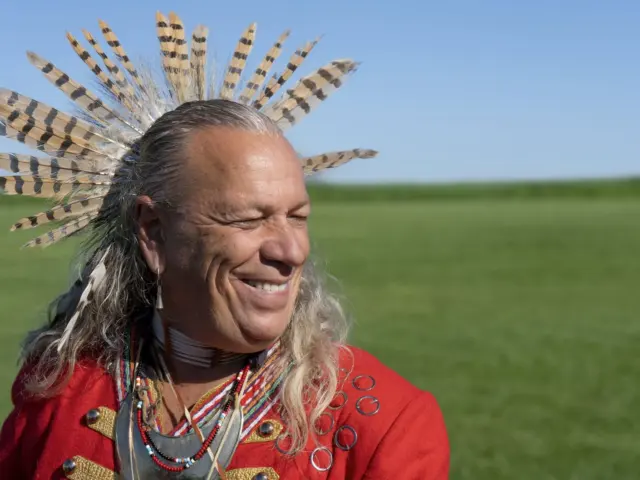
- Heritage and ceremony. Native American Culture And Traditions: A Concise Guide To Heritage, Ceremony, And Contemporary Life – Peopleil describes traditions in which learning is carried across generations outside the classroom.
- Generational differences. Generations By Name And Year: The Clear Guide To Silent Generation Through Gen Alpha (2026 Update) – Peopleil helps place readers, parents and grandparents in their cohorts when comparing schooling experiences.
- Diversity in practice. Cultural Diversity In Everyday Life: 8 Practical Examples And Why They Matter In 2026 – Peopleil shows what classrooms and communities gain when different backgrounds meet.
- Shared customs. American Wedding Traditions: Timeless Customs Shaping Modern Celebrations In 2026 – Peopleil is an example of customs that families teach and keep alive without formal instruction.
Choosing where to start
The evidence points in one practical direction. Education matters most at its foundations and its completion points, and it matters most to the groups it reaches least. The choice that follows depends on your position.
- If you are a parent or guardian. Prioritise foundational literacy and numeracy first, and ask schools how they support children with disabilities, since that group faces the starkest access gap in the data.
- If you are deciding on further study. The wage and health comparisons favour completing a stage once started. They do not rank routes, so choose by fit and cost, and look for formats that connect you with other learners.
- If you are an adult learner. Treat learning as ongoing and pick group formats where you can. Social support is associated with better outcomes, so the format is part of the benefit.
- If you want to act locally. Teacher support, access for children with disabilities and community learning are all concrete areas. The guide to Civic Responsibility Examples: 12 Real-World Ways You Can Make A Difference In Your Community – Peopleil offers starting points for turning interest into action.
- If you follow policy. Look at spending against the 4 per cent of GDP benchmark and at teacher supply, because UNESCO identifies both as limits on what systems can deliver.
Frequently asked questions
Is education a legal right?
Yes. UNESCO states that the right to education is protected under international law. Its Convention against Discrimination in Education, adopted in 1960, was the first legally binding international instrument entirely dedicated to the right to education.
Does high enrolment mean children are learning?
Not by itself. Enrolment counts children who are in school, while literacy and numeracy are skills that education is meant to build. Look at both enrolment and what children can do, and check which groups are still outside school.
Does a higher degree guarantee higher pay?
No. The figures here compare groups: median wages in 2012 and lifetime earnings for a specific group in 2006-2008. They show a strong pattern across attainment levels but cannot predict what any one person will earn.