| Topic | What it means in practice | Planning use |
|---|---|---|
| Tribal diversity | Native American identity is a mosaic of communities, each with its own story, not one shared culture. | Learn the name and history of the specific nation before you generalise. |
| Kinship | Kinship is the foundation of many Native American societies, and clan and tribe extend beyond immediate family. | Expect etiquette and obligations to follow relationships; ask hosts instead of assuming. |
| Ceremonies | Indian religions and rituals are protected under the Constitution, and many practices are not open to outsiders. | Attend only public events or when invited, and follow the host’s rules. |
| Language revitalization | Many Indian and Alaskan Native peoples are working to revitalize their languages, often with elders teaching younger people. | Support community-led programs rather than creating your own versions. |
| Storytelling | History and values pass from elders to youth through oral tradition. | Treat stories as teaching that belongs to a community; ask before retelling. |
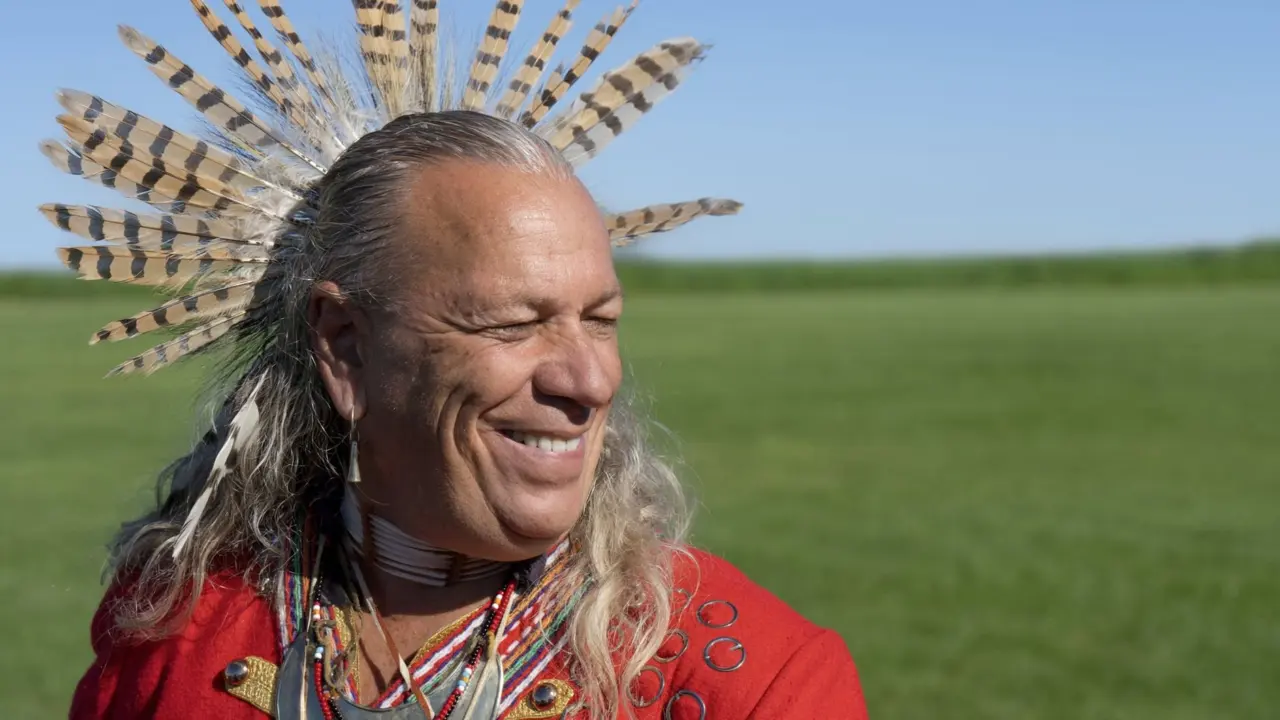
| Regalia | Feathers, beadwork and other regalia carry meaning that sits largely in ceremony and language, not in the object alone. | Admire without touching, and ask before photographing. |
The table draws on the Library of Congress folklife blog’s article on cultural revitalization and the Indian Youth guide to preserving Native American culture and traditions.
Native American culture and traditions are living practices that differ from nation to nation, so the best way to learn is through each community’s own language, stories and ceremonies, and with its permission.
Because language and storytelling are forms of teaching, this guide connects to the wider question of how does education affect society when knowledge is passed on within a community.
Key traditions and how they shape behaviour
The traditions most often described are kinship, oral storytelling, powwows, purification and summer ceremonies, and the making of regalia. For a visitor or learner, each one comes with a practical consequence: it tells you who holds the knowledge and who decides how it is shared.
- Kinship comes first. The Indian Youth guide calls kinship the foundation of many Native American societies, with clan and tribe reaching beyond immediate family. Questions about who may speak for a family, a song or a design are therefore questions about relationships. Ask a community member rather than an outside book.
- Stories carry teaching. The same guide describes history and values being transmitted from a generation of elders to the youth through storytelling. A story is a lesson with an owner, so treat retelling as something to ask about.
- Powwows are public and inter-tribal. They are described as gatherings where communities celebrate their culture through drumming, singing and traditional dancing. They are the most accessible tradition for outsiders, but being welcome to watch does not mean being invited to join in.
- Some ceremonies are not for spectators. The sweat lodge is a ritual of spiritual and physical purification used by many nations. The Lakota Sun Dance is a days-long ceremony held in the summer. If you hear of either, assume attendance depends on the hosts.
- Values guide conduct. One Lakota summary lists generosity, kinship, fortitude, wisdom, prayer, respect and compassion. These are specific to the Lakota, so do not apply them to every nation, but they show that tradition includes a code of behaviour as well as events.
Tribal diversity and why one picture fails
Tribal diversity means that Native American culture and traditions cannot be summarised as a single set of customs. The Indian Youth guide describes many recognized tribes in the United States, and the Library of Congress notes that there are many Indian cultures in the Americas with varied histories.
The practical rule is to name the nation. “Native American dance” or “Native American spirituality” hides differences in language, ceremony, regalia and who is entitled to share what. The nations named by public sources in this guide include the Lakota, the Ponca Tribe of Oklahoma, the Skokomish Tribe in Washington State, and Hawaiian communities in Hawaii. Each has a distinct story.
History explains why continuity is not guaranteed. The Library of Congress says assimilation programs meant that many Indian peoples lost much of their culture and part or all of their languages. That is why present-day revitalization is treated as active work, not as a background fact. How norms vary between groups is also a general theme in Social Norms In Action: 12 Everyday Examples That Reveal Why We Follow The Rules – Peopleil, which helps frame why local etiquette matters more than a universal checklist.
Keeping languages alive
Communities keep languages alive through a mix of elder teaching, recorded archives, broadcasts and apps, usually led by the tribe itself. The Library of Congress observes that elders who still speak the languages are teaching younger people who did not learn them growing up.
The Institute of Museum and Library Services reports that preserving native languages and cultures has become a priority for Tribal and Native American libraries and museums. Its 2021 post gives examples that show the range of methods:
- Phone and app recording. The Ponca Tribe of Oklahoma received an IMLS grant for a project to capture recordings of 500 words or phrases along with 10 songs, offered as a free download to all 3,925 Tribal members. This suits learners who live away from home.
- Broadcast. The Alutiiq Word of the Week programs, which feature an elder saying a word and sentence in Alutiiq on public radio, were enhanced and preserved across 22 seasons, with 52 new lessons added. Short daily-listening formats work for busy adults.
- Documentation before loss. The Skokomish Tribe in Washington State is working to document and preserve its Native language, Tuwaduq, before it becomes extinct. Where few speakers remain, recording comes first.
- Heritage collections. In Hawaii, projects connected to Waimea Valley collections aim to sustain Hawaiian heritage, culture and community knowledge, which shows that language work sits alongside objects and place.
If you want to help, the lesson from these projects is to use and promote tribally produced materials. Outsider-made word lists or apps can miss the pronunciation and context that elders provide. The figures above describe individual projects, not national totals, so they should not be used to judge how many people speak any language.
Ceremonies and respectful visiting
Visitors respect ceremonies best by treating them as the community’s own religious life: go only where you are welcome, follow the hosts’ instructions, and do not expect to participate. Federal law reflects the seriousness of this. The Library of Congress explains that the American Indian Religious Freedom Act of 1978 established that Indian religions and rituals were protected under the Constitution.
In practice, that leads to some simple choices:
- Choose public events. Powwows are open inter-tribal gatherings. Days-long ceremonies such as the Lakota Sun Dance or a sweat lodge are different, and invitation or a host’s approval is the safe assumption.
- Ask before recording. Photography, audio and video rules vary by event. Ask the organisers, and put the camera away if the answer is unclear.
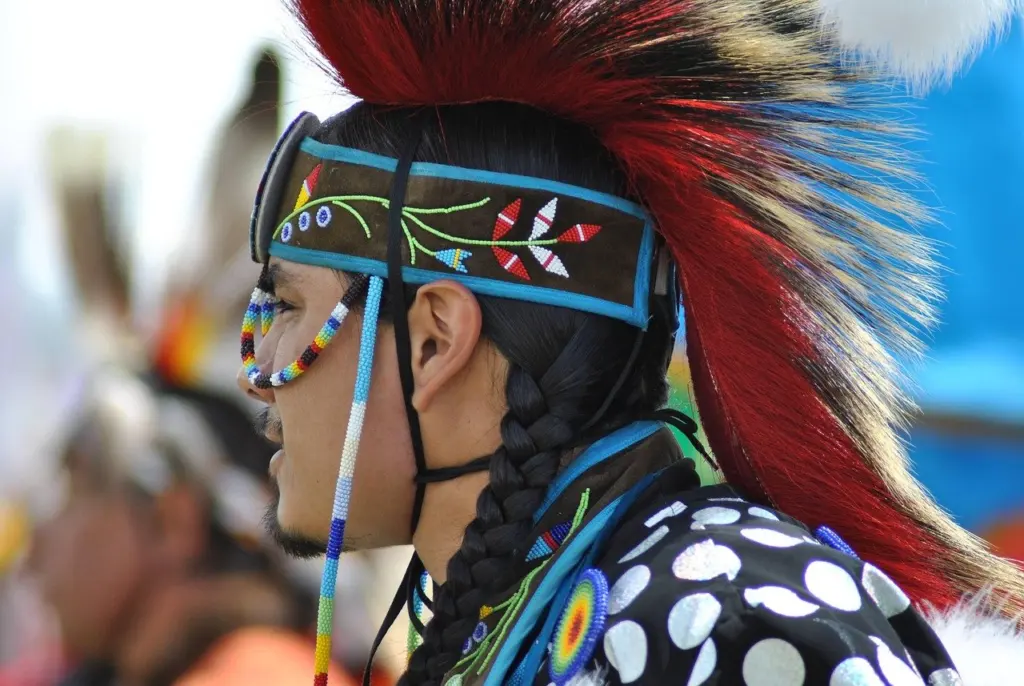
- Do not treat regalia as costume. Dancers’ outfits are personal and often meaningful. Compliments are welcome; touching or asking to try items on is not.
- Take cues from hosts. Seating, when to stand and when to approach a dancer are set locally. Watching and asking quietly is better than guessing.
Regalia, objects and what gives them meaning
Regalia and handmade objects matter because of what surrounds them, not only how they look. The Library of Congress puts it directly: much of what gives an object meaning is intangible heritage, such as ceremonies and language. A beaded piece separated from the songs, stories and family that give it context is only partly understood.
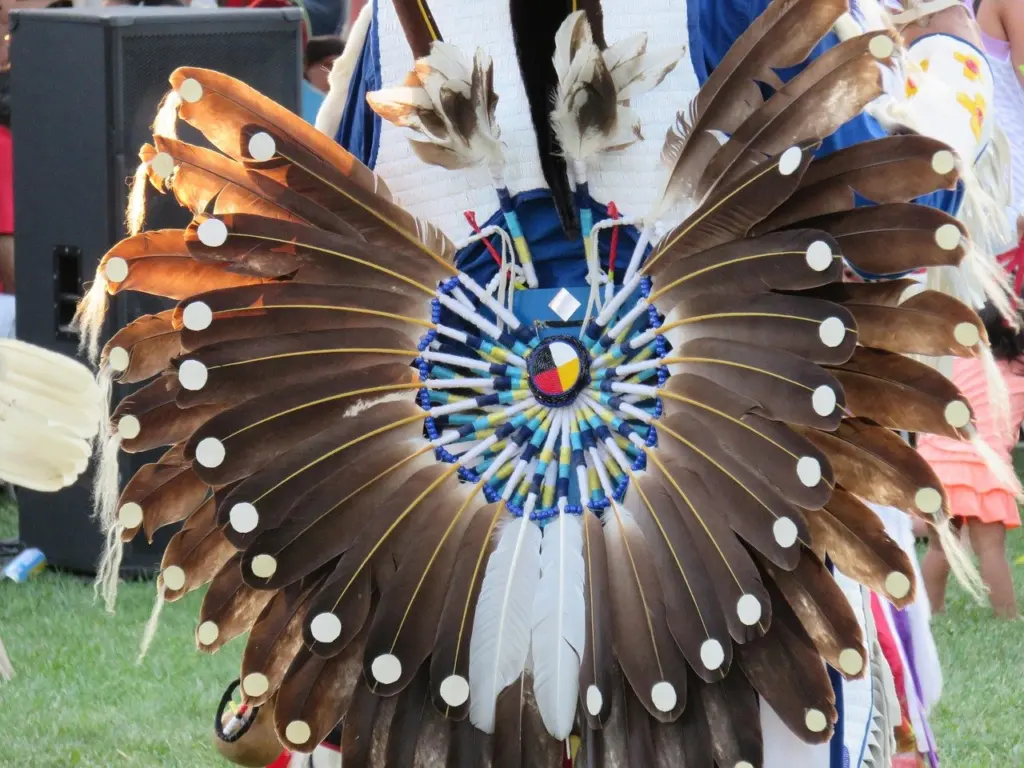
Regalia varies by nation, so examples should not be generalised. In Lakota regalia, the Indian Youth guide notes that feathers are prominent and are often sourced from local birds like eagles and hawks. Another Lakota summary says the star quilt is one of the most valued gifts one can receive. When you buy or admire crafts, ask the maker or the tribal enterprise about the piece, because the story attached to it is part of the work.
Supporting living culture
The most useful support is led by communities. Choose among these options depending on your time and situation.
- Learn from tribal sources. Tribal libraries, museums and language programs are the primary voices on their own heritage.
- Volunteer thoughtfully. If you want to give time to a community project, the ideas in 22 Community Service Examples To Start Today (2026 Guide) – Peopleil offer a starting point; check first that the community has asked for outside help.
- Listen before sharing. Repeat what you learn only with credit to the nation and speaker it came from.
Frequently asked questions
Can a language return after it has no living elders?
It can be relearned, but the work is harder. The Library of Congress reports that the Wampanoag no longer had any living elders to teach them the full language, and that, in a 2015 article, there were a few young people acquiring both Wampanoag and English as first languages. That is progress, not full recovery.
What happened to old recordings of Native songs?
Wax cylinders of Indian songs were made between 1890 and 1930. According to the Library of Congress, recordings from them have been placed in tribal archives through the Federal Cylinder Project, which began in 1979.
Can sacred objects held by museums be returned?
Yes, in some cases. The Native American Graves Protection and Repatriation Act of 1990 cleared the way for Indian religious objects and human remains to be returned. The Library of Congress gives the Omaha Sacred Pole as an example: it was placed in the Peabody Museum in 1888 and returned to the tribe in 1989.
Why do museums and libraries matter for Native languages?
Tribal and Native American libraries and museums hold recordings, collections and teaching materials. The Institute of Museum and Library Services says preserving native languages and cultures has become a priority for them.