Cultural diversity examples include the languages people speak at home, the faiths they practise, shared festivals, mixed workplaces and school materials that reflect local communities. They matter because inclusion decides whether a varied population actually benefits from that variety.
This guide moves from measurement to daily settings. Schools are one of the central stages, and the broader question of how does education affect society sits behind much of what follows.
Measuring diversity before describing it
The U.S. Census Bureau defines racial and ethnic diversity as maximized when all groups are represented in an area and have equal shares of the population. Its Diversity Index turns that idea into a probability: the chance that two randomly chosen people belong to different racial and ethnic groups. According to the Census Bureau’s analysis of the 2020 Census, that chance was 61.1% in 2020, up from 54.9% in 2010.
The same analysis shows that age matters. The population under 18 scored 68.5% on the index, while adults scored 58.3%. White alone, non-Hispanic people made up 60.8% of adults but only 47.3% of the under-18 population, and the Hispanic or Latino share rose from 16.8% of adults to 25.7% of children. The youngest group is the most mixed, so schools are a natural place to look for everyday examples. For how the age groups themselves are named and dated, see Generations By Name And Year: The Clear Guide To Silent Generation Through Gen Alpha (2026 Update) – Peopleil.
| Measure (2020 Census) | Value | Planning use |
|---|---|---|
| Diversity Index, total population | 61.1% (54.9% in 2010) | Shows the direction of change over a decade |
| Diversity Index, under 18 / adults | 68.5% / 58.3% | Suggests schools and youth programs meet more variety than adult settings |
| Highest adult Diversity Index by state | Hawaii 74.1%; California 69.8%; Nevada 68.8% | Shows that diversity is uneven from place to place |
| White alone, non-Hispanic share | 57.8% total; 47.3% under 18 | Shows that the largest group is a smaller share among children |
| Diffusion Score (share outside the three largest groups) | 13.8% under 18; 11.4% total | Shows how many people fall outside the biggest categories |
These figures come from the U.S. Census Bureau, whose index covers racial and ethnic groups only.
Language, faith and place of birth are other dimensions of cultural diversity, and they need other measures. Australian census data covers them well.
Neighborhoods and cities: language, faith and public services
In neighborhoods, diversity first appears as who was born elsewhere, what is spoken at home and which beliefs people hold. The Australian Bureau of Statistics reports from its 2021 Census cultural diversity release that 27.6 per cent of the population were born overseas. The top languages used at home other than English were Mandarin (2.7 per cent), Arabic (1.4), Vietnamese (1.3), Cantonese (1.2) and Punjabi (0.9).
Belief is just as varied. The leading affiliations were no religion (38.9 per cent), Catholic (20), Anglican (9.8), Islam (3.2) and Hinduism (2.7). Persons reporting other religions grew from 652,218 in 1996 to 2,538,587 in 2021, in a total of 25,422,788 people in 2021. Large faith groups and fast-growing small ones now share the same streets, and that is one of the clearest everyday examples.
Census figures can also change what a public service offers. The ABS release describes a Victorian library that used census data to plan its Punjabi-language collection. Its data showed 6,695 people speaking Punjabi at home in 2016, compared with 2,531 in 2011. A local library, clinic or council can follow the same logic: check which home languages are growing, then adjust collections, signage and programs to match, rather than relying on impressions of who lives nearby.
Interaction is the other half. Purdue Global’s guide to cultural diversity advises people to increase their understanding of other cultures by interacting with people outside their own culture. Data shows who lives in a place, but only contact turns that into familiarity.
Workplaces: from representation to inclusion
A workplace is diverse when its staff come from varied backgrounds. It is inclusive when those people are heard. Washington State University’s human resources office puts it this way: cultural diversity goes beyond representation, and the aim is an environment where individuals feel valued, heard and supported. Headcount alone does not meet that standard.
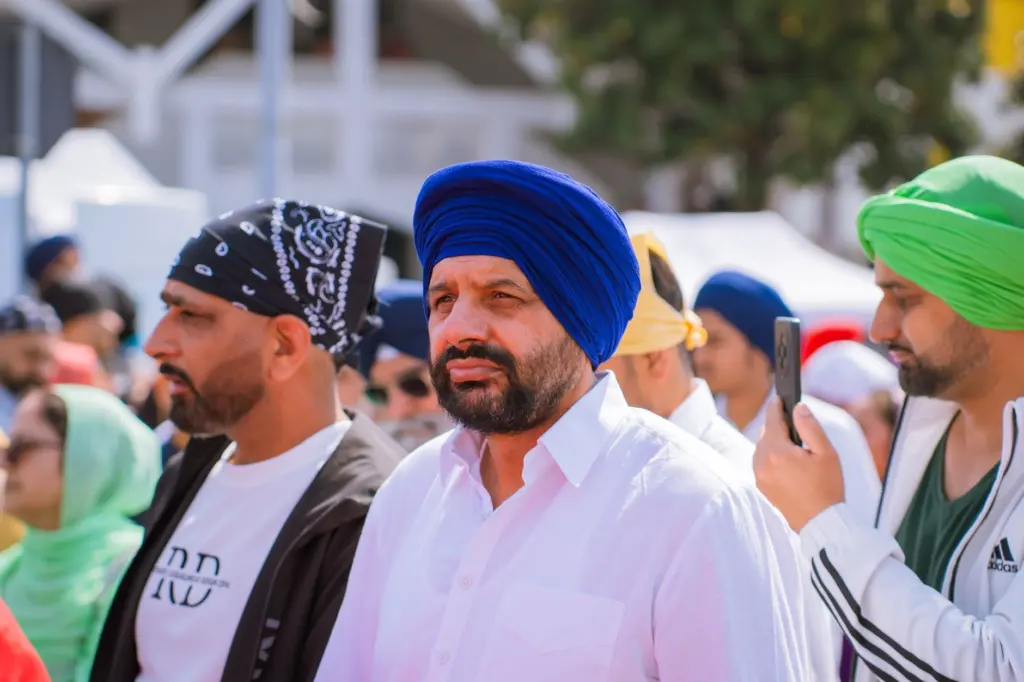
The same page lists everyday actions that make the difference visible:
- Build relationships. Get to know coworkers from different backgrounds, which also widens your professional network.
- Collaborate across viewpoints. Working with colleagues who have different experiences is said to strengthen problem-solving and creativity.
- Learn traditions. Learning about different traditions, beliefs and celebrations builds the cultural competence that meetings and handovers depend on.
A community college library guide lists the benefits organizations associate with this: increased productivity, improved creativity, increased profits and improved employee engagement. It gives no figures, so read them as reasons to try these practices, not as guaranteed results. Because the gains depend on people feeling heard, start with the relationship-building step, which costs nothing, before investing in larger programs. Teams that want to carry this attitude outside the office can see Civic Responsibility Examples: 12 Real-World Ways You Can Make A Difference In Your Community – Peopleil.
Schools and multicultural education
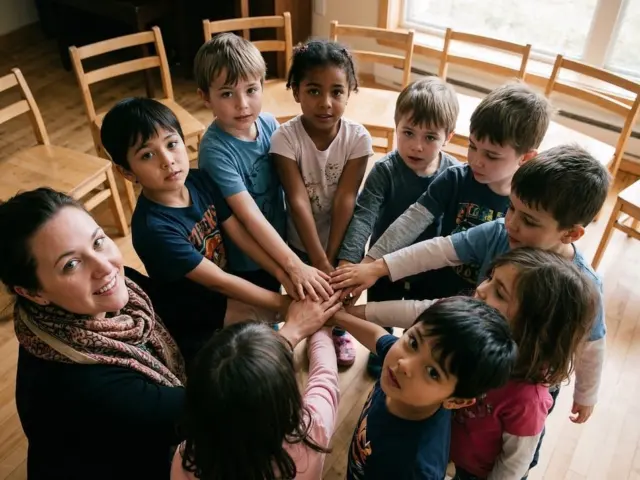
Schools matter because classrooms already hold the most varied age group. The college library guide states that school climate and school culture directly impact student success, and that teachers have a particular responsibility to structure lessons to reflect student differences. Purdue Global adds that educators can advocate for materials representative of the various cultural groups within the local community.
In practice, local data points to the right choices. If census figures show a growing home language, the reading shelf, the front-office signage and the family communications should reflect it. If lessons use examples from only one tradition, students from other backgrounds may feel the curriculum is not about them. A school does not need a large budget for this. It needs to check its materials against the community it serves and revise the gaps.
Purdue Global defines multiculturalism as a system of beliefs and behaviors that recognizes and respects the presence of all diverse groups. It names the risk of the opposite attitude: people tend to fear what they do not understand, and judging other cultures by one’s own standard can lead to discrimination. Multicultural education works against that by making unfamiliar traditions familiar early.
Festivals and shared celebrations
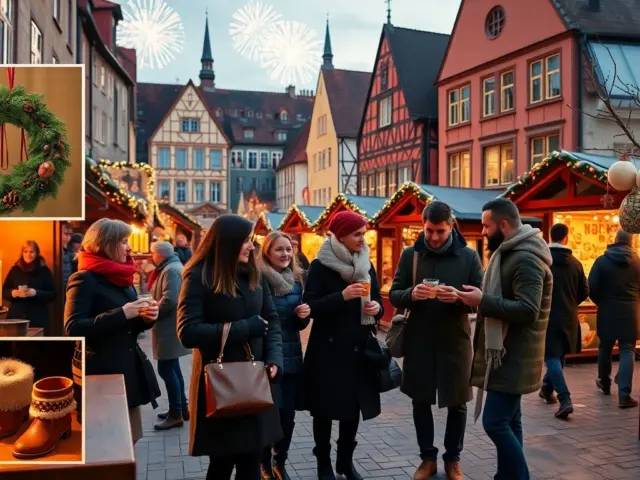
Festivals are the most public example of cultural diversity, because they let people take part in traditions that are not their own. The international calendar has a marker for it: Washington State University notes that each year on May 21, World Day for Cultural Diversity encourages people to recognize and celebrate cultural difference. It is a useful prompt for a school assembly, a team lunch or a neighborhood event.
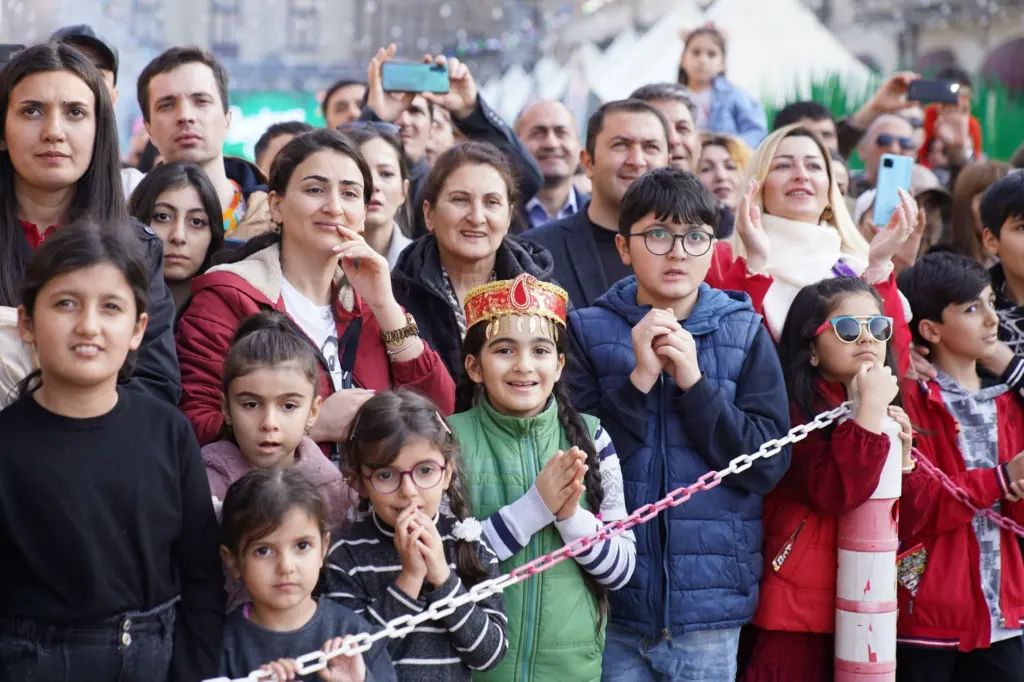
A celebration works best when it connects to the other examples above: a festival that sits beside a library display in the local home language, or a workplace observance that follows real conversations between colleagues. A one-off event on its own tells people little about whether the community is inclusive.
Why cultural diversity matters
Cultural diversity matters because the places people live, work and study are becoming more varied. The college library guide says it is important because workplaces and schools increasingly consist of various cultural groups. The consequence is practical. Unequal outcomes appear when inclusion lags behind. The same guide lists obstacles minority groups face in healthcare, including lack of health insurance and language barriers that affect health outcomes. It also cites Institute for Policy Studies figures showing median African-American household wealth declining by over 50 percent between 1983 and 2016, from $7,323 to $3,557.
Diversity is therefore best treated as a condition to manage well, not a goal in itself. The census figures show that the mix is real and growing among the young. The workplace and school guidance shows that benefits depend on contact, representative materials and the sense of being heard. Where those are missing, the variety can sit side by side without anyone gaining from it.
Frequently asked questions
Is cultural diversity only about race and ethnicity?
No. The Census Bureau’s Diversity Index measures racial and ethnic groups, while the Australian census release also counts birthplace, languages used at home and religious affiliation. A full picture of a community uses several of these.
What does multiculturalism mean?
According to Purdue Global, multiculturalism refers to a set of attitudes and conduct that acknowledges and honors every diverse community within a society.
When is World Day for Cultural Diversity?
It falls on May 21 each year, according to Washington State University, and works well as a date to plan a school or workplace event around.
Does a diverse workplace automatically perform better?
No. Washington State University stresses that diversity goes beyond representation, so the people involved need to feel valued, heard and supported. The commonly listed benefits, such as creativity and engagement, are not quantified in the college library guide.