Italy holiday traditions appear across the year and shape how people celebrate. The phrase italy holiday traditions covers a wide range of local faith, food, music, and community practices that vary by region and town. This guide explains the main festivals, the foods typically served, the rituals and spectacles visitors are likely to encounter, and practical notes for travelers who want to observe or respectfully participate. The style stays direct and factual while adding context so readers can better understand why these events matter culturally and how they fit into everyday Italian life.
Key Takeaways
- Italy holiday traditions highlight the importance of faith, food, and family gatherings throughout the year and differ noticeably from region to region.
- Christmas in Italy features nativity scenes, Midnight Mass, and traditional treats like panettone and torrone, emphasizing togetherness, regional sweets, and seasonal markets.
- Carnevale showcases vibrant parades, masks, and costumes with local variations in music, satire, and street food, creating lively celebrations before Lent.
- Pasqua centers on Holy Week rituals and processions, followed by festive Easter meals and local specialties that vary between north and south.
- Ferragosto on August 15 combines beach holidays, village sagre (food festivals), and fireworks, reflecting a summer tradition of communal rest and celebration.
Festa Di Natale — Italian Christmas Rituals
Italy holiday traditions for Christmas center on family, food, and faith, but the shape of celebrations depends on local history. In many regions families set up nativity scenes (presepi) that range from simple home displays to elaborate life-size installations in churches and public squares. Cities and villages often stage seasonal markets where artisans sell hand-crafted figures, decorations, and regional delicacies. On Christmas Eve, many Italians attend Midnight Mass or a late evening service; churches fill with candles, choral music, and ritual readings that vary with local liturgical customs. Gift-giving traditions differ too: children may receive presents on December 25, or in some parts of Italy gifts arrive on January 6 from La Befana, a folkloric figure who visits homes. Food is central — families share multiple courses that can include seafood in coastal areas, roasted meats inland, and sweet breads such as panettone or pandoro along with torrone and regional cookies. Streets glow with lights, merchants and civic groups arrange small concerts in piazzas, and many towns keep communal events like tree lightings or charity presepi that invite visitors to observe the communal spirit of the season.
Carnevale — Masks, Parades, And Regional Flair
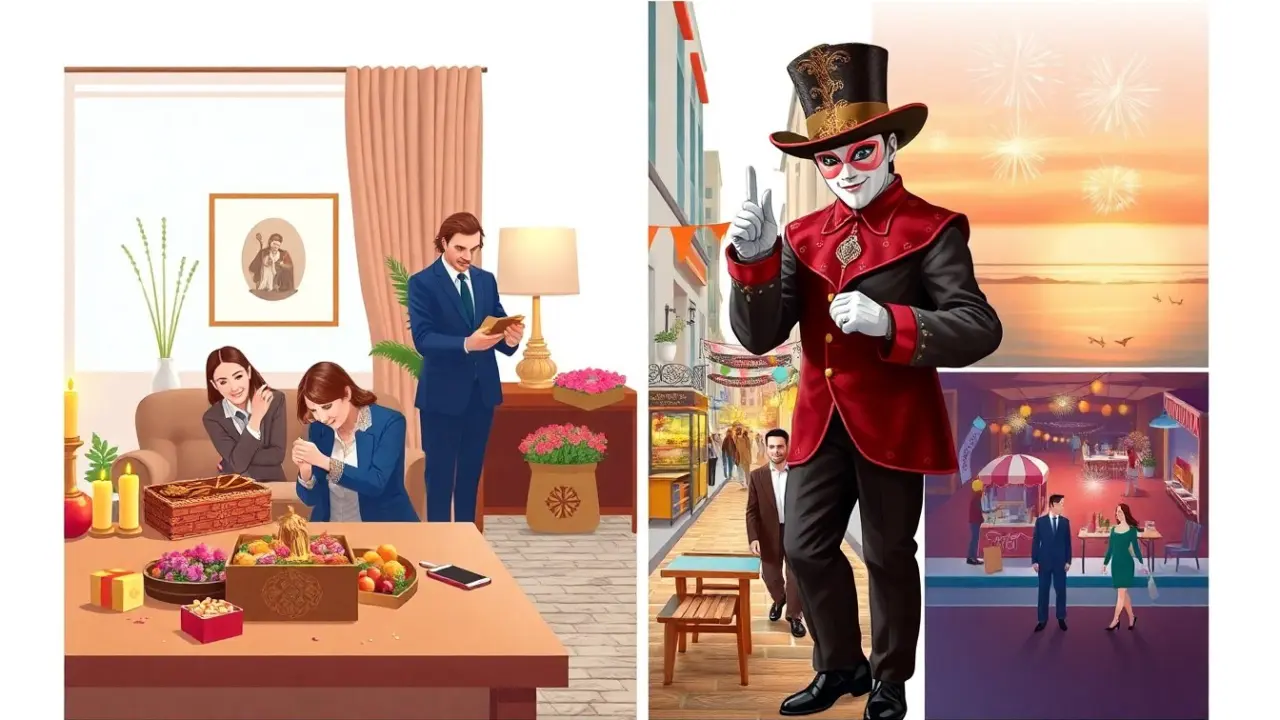
Carnevale ranks among the most colorful italy holiday traditions and is celebrated with very different local flavors across the country. The period peaks in the days before Ash Wednesday and Lent, when communities traditionally indulge before a season of fasting. In larger cities and historic centers, you will find grand parades with ornate floats, live music, and theatrical performances; smaller towns may emphasize centuries-old customs, masked dances, or mock battles that reference local history. Masks and costumes are central — from the elegant, baroque disguises seen in some northern cities to simpler, humorous outfits popular in rural carnivals. Street vendors sell confetti, paper streamers, and sweet treats associated with the festival; traditional foods often include fried pastries and filled doughnuts, varying by region. Carnevale also contains satirical elements: floats and performances may lampoon politics and social trends, creating a lively atmosphere where locals and visitors mingle freely. For travelers, the experience ranges from glamorous masked balls to raucous family-friendly parades, so checking local schedules and any ticketed events helps plan the best way to participate or watch.
Pasqua — Holy Week, Processions, And Easter Foods
Pasqua anchors italy holiday traditions in spring and combines solemn religious rites with joyful communal meals. Holy Week (Settimana Santa) features a sequence of services and observances — palms on Palm Sunday, contemplative ceremonies on Maundy Thursday, and Good Friday processions that in many towns include candlelit marches and statues carried through the streets. These processions can be intensely local, with particular routes, songs, or rites passed down through generations. On Easter Sunday families gather for large midday meals that often showcase regional specialties: lamb or roasted meats are common symbols of the season, accompanied by seasonal vegetables and breads; sweet breads and decorated eggs appear on many tables. In the days after Easter, some communities continue festivities with outdoor markets, folk music, and small fairs where local producers sell flowers, sweets, and handcrafted gifts. For visitors, attending a weekday service or a procession offers insight into local devotion, while joining an Easter meal—when invited—reveals how culinary tradition and family networks shape the holiday.
Ferragosto And Summer Festivals — Beaches, Food, And Fireworks
Ferragosto on August 15 is one of the best-known italy holiday traditions for summer, marking a national day when many Italians take a break from work and head to coasts, lakes, or mountain areas. The day blends religious observance (it coincides with the Catholic Feast of the Assumption) and a secular tradition of rest and communal celebration. Towns and villages organize sagre — small local festivals that spotlight seasonal produce or regional dishes, often with outdoor tables, live music, and simple games. Beaches and waterfronts fill with families and groups sharing grilled fish, cold salads, and summer sweets; evening fireworks displays and concerts are common ways to end the day. Because many shops and restaurants close for holidays, locals plan picnics or pre-booked dinners, and travellers should check opening hours in advance. Throughout August there are also smaller patron-saint festivals, historical reenactments, and food fairs across Italy, making late summer a particularly rich time to experience the social and culinary aspects of italian holiday traditions.