A homeschool kindergarten curriculum works best when it covers letters and sounds, counting and shapes, and plenty of play, in a daily routine you can repeat. Start with a few clear learning goals, then pick materials that match them.
For the wider picture of building learning routines, see our guide on how to study effectively.
How learning goals shape the curriculum you choose
Learning goals decide which materials are worth buying. A child who needs steady letter-sound practice needs a different core program from a child who already reads simple words. Write the goals first, then judge each curriculum by whether its lessons actually deliver them.
Curricula fall into broad styles, and the style changes how much planning falls on you. A retailer’s description of open-and-go curricula says they provide detailed lesson plans, materials and a defined progression of skills across core subjects such as math. That suits parents who want little preparation. The same description says unit studies often need a supplemental phonics curriculum for systematic reading instruction, so a unit-study family should plan for that gap from the start.
A kindergarten skill goals checklist
Use the table as a checklist of what a kindergarten year can cover. Tick off each skill as you see it in everyday work rather than only on worksheets.
| Skill area | What to work toward | Planning use |
|---|---|---|
| Letters and sounds | Alphabet, letter and sound recognition, and handwriting | Make this the first literacy goal, with handwriting practice alongside it. |
| Alphabet lessons | An alphabet course of 60 lessons | Use it as a structured option if you want daily scripted lessons. |
| Reading | A reading course of 120 lessons | Start it once letter sounds are secure, and use the lesson count to judge pacing. |
| Story understanding | Identifying problems and solutions in stories, and fact versus fiction | Practise during read-aloud time with questions about the story. |
| Number sense | Counting and writing numbers, plus story problems and solutions | Combine hands-on counting with short written practice. |
| Shapes and measurement | 2D and 3D shapes, and comparing volume | Hold this for later in the year, after counting is comfortable. |
These skill descriptions come from Bridgeway Academy’s kindergarten kit descriptions and the lesson counts from Little House Kindergarten.
Check your own state or country’s attendance and assessment rules before you settle on a record-keeping method, because requirements differ by location. Keep a few dated work samples and a short skills checklist so you can show progress to anyone who asks.
Phonemic awareness and early reading
Phonemic awareness, the ability to hear and manipulate the sounds in spoken words, comes before decoding. Work on it alongside letter names and sounds, then move to reading simple words. Bridgeway’s Pre-K workbook, for example, introduces the alphabet, letter and sound recognition, and handwriting, which is the base for later reading work.
Structure matters more than volume here. Little House Kindergarten offers free daily lessons for Pre-K and kindergarten and lists a 60-lesson alphabet course and a 120-lesson reading course. A sequenced program like this suits parents who prefer to follow a script rather than design phonics lessons from scratch.
If your child works well alone, a retailer’s description of Explode the Code calls it an open-and-go complete phonics curriculum designed for students to complete independently. Independent workbooks free you for another child or for chores, but still sit with your child at the start so you can confirm the sounds are being said correctly.
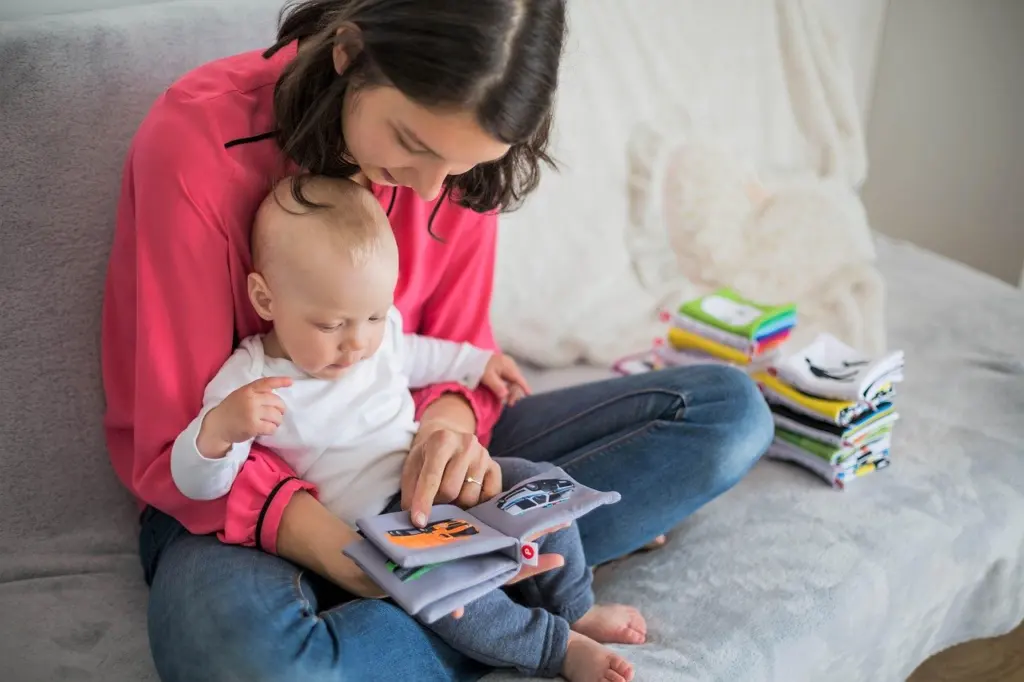
Pair any phonics program with daily read-aloud time. Phonics lessons teach decoding, and shared stories build vocabulary and the habit of asking questions about what was read.
Early math in everyday work
Early math in kindergarten starts with counting and number writing, and it grows from daily life. The Home School Supply Co. notes that a kindergarten day can include counting the forks when you unload the dishwasher. Everyday counting like this gives a child meaning to attach to numbers before and alongside workbook pages.
Workbooks then add structure. Bridgeway’s Kindergarten Worktext A covers counting and writing numbers and story problems with solutions, while Worktext B introduces slightly more challenging concepts such as 2D and 3D shapes and comparing volume. The order is useful as a model even if you use other materials: counting and number writing first, shapes and comparison later.
Whole-subject programs can also carry math. Easy Peasy All-in-One Homeschool covers reading, writing, grammar, spelling, vocabulary, math, history, social studies, geography and science, which suits a family that wants one plan across every subject rather than separate purchases.
A time-blocked daily schedule
A kindergarten day works best as a short sequence of blocks with play between them, not one long lesson. The retailer behind its kindergarten curriculum page states that kids at this age need to play, so protect that time rather than treating it as a reward after the work.
- Opening conversation and read-aloud. Greet your child, talk about the day, and read a picture book together, asking what happened and why.
- Literacy block. Do letter-sound work and phonics from your chosen program, then practise reading simple words while your child is fresh.
- Snack and outdoor play. Let your child move and play freely; this separates the two focused subjects.
- Math block. Use counting, number writing and hands-on objects, and bring in everyday counting such as the dishwasher forks.
- Project, art or science. Choose something hands-on that follows your child’s interest and needs little preparation.
- Quiet close. Read together, then tick the day’s goals on your checklist and jot a note on what to repeat tomorrow.
Published programs can set the pace for you. Bridgeway’s instructor guide includes lesson planning with a pacing guide and teaching strategies for each subject, and Easy Peasy grade levels include 180 days of lessons and assignments. If you adopt a ready-made year, let its pacing guide set the weekly rhythm and use the blocks above only to order your day. If your child is tired, shorten the blocks rather than skipping the play.
Costs and where to find free options
The cost of a kindergarten curriculum ranges from nothing to the price of a few books. Free options exist at full-program level. Little House Kindergarten provides free daily lessons, and Easy Peasy uses only free materials found on the internet, with an optional suggested donation for using its online system.
Paid materials vary in price. A retailer lists the Horizons Math K teacher guidebook at $62.00 and Explode the Code Get Ready for the Code A at $12.00, as of the retailer listing fetched 2026-10-24. These show the spread: a single workbook can cost little, while a full teacher guide costs noticeably more.
- Choose a free core first. If budget is the main limit, start with a free program and add a paid workbook only where a gap shows.
- Buy by subject, not by bundle. A single math guide and a phonics workbook cost less than a full kit, and they avoid overlap.
- Check government-run evidence tools. The U.S. Department of Education’s What Works Clearinghouse product search lists 252 results when filtered to kindergarten, a useful place to look up a specific product before you buy.
For a side-by-side comparison of full programs, read The Best Homeschool Curriculum In 2026: Choose A Plan That Fits Your Child, Schedule, And Goals – Peopleil. If an older child at home is working on grades, How To Improve Your GPA Fast: A Practical 8-Week Plan To Raise Your Grades In 2026 – Peopleil gives a plan that can run beside your kindergarten routine.
Frequently asked questions
Do I need to buy a full curriculum?
No. Free full programs exist, such as Little House Kindergarten’s free daily lessons and Easy Peasy’s free online materials, so a paid kit is optional.
Can a unit study teach reading on its own?
Usually not completely. A retailer’s description says unit studies often need a supplemental phonics curriculum for systematic reading instruction.
How many lesson days should a kindergarten year include?
That depends on the program. Easy Peasy’s grade levels include 180 days of lessons and assignments, which gives one example of how a published year is paced.
Does play count as part of kindergarten?
Yes. A kindergarten curriculum retailer states that kids at this age need to play, so play breaks and hands-on projects belong in the daily plan.